
Steelers athlete Robyn Lambird balancing sport, study and advocacy
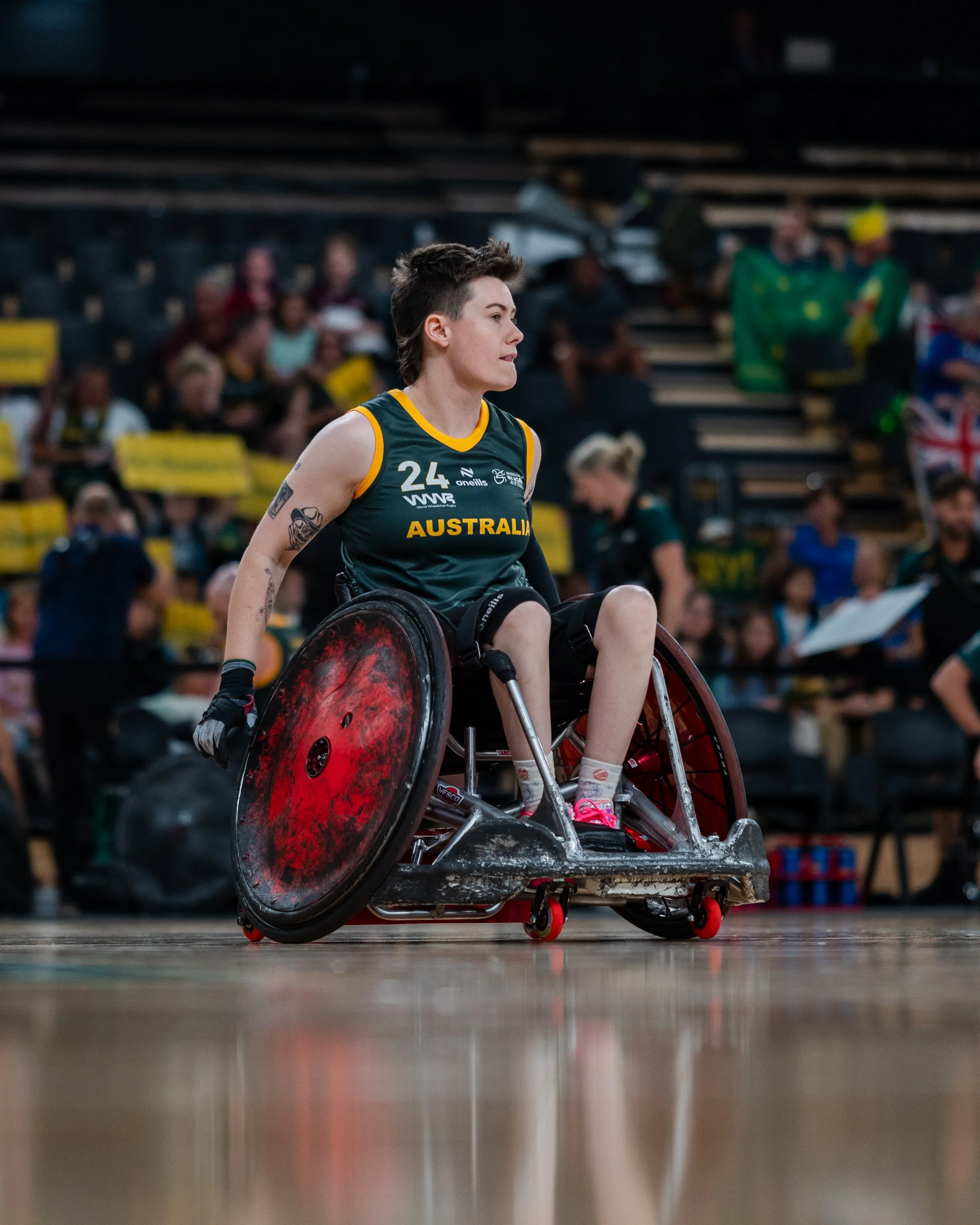
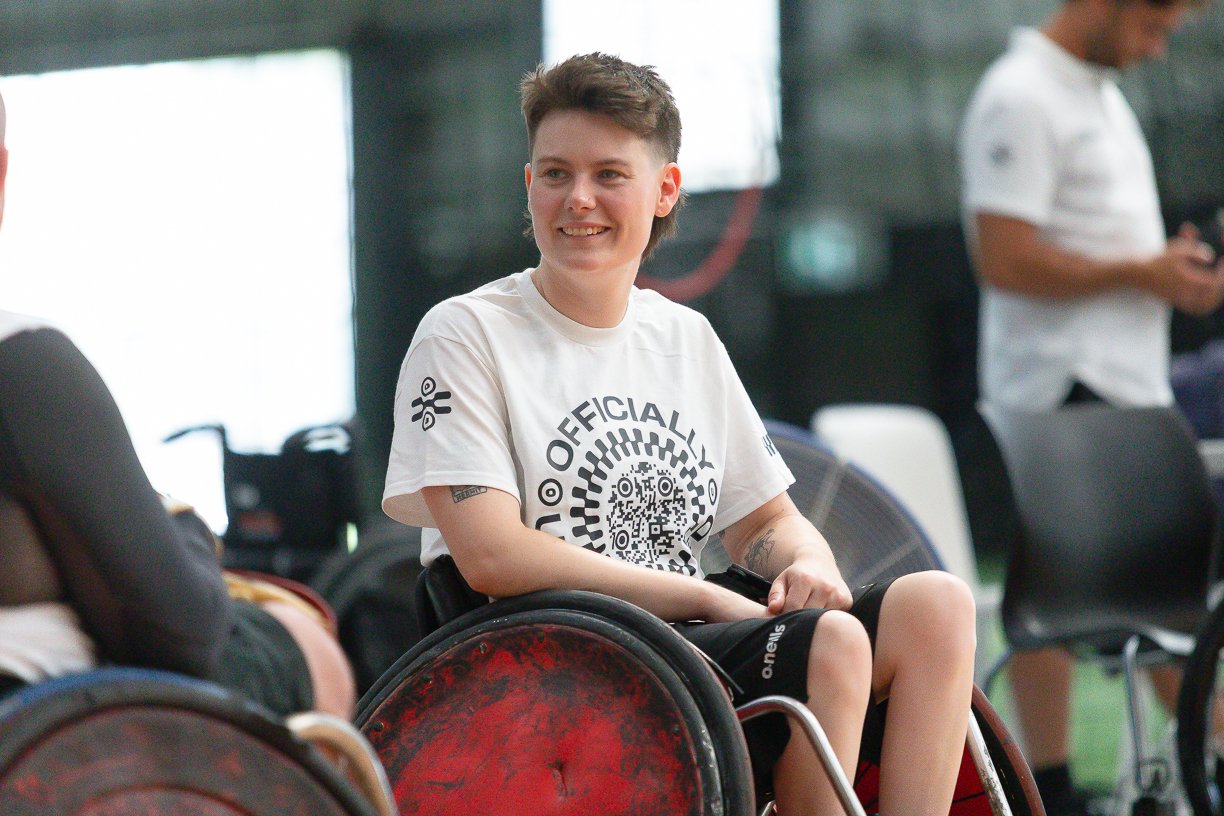
For Robyn Lambird, pursuing opportunities beyond sport has become an important part of maintaining balance, perspective and purpose throughout their career in elite wheelchair rugby.
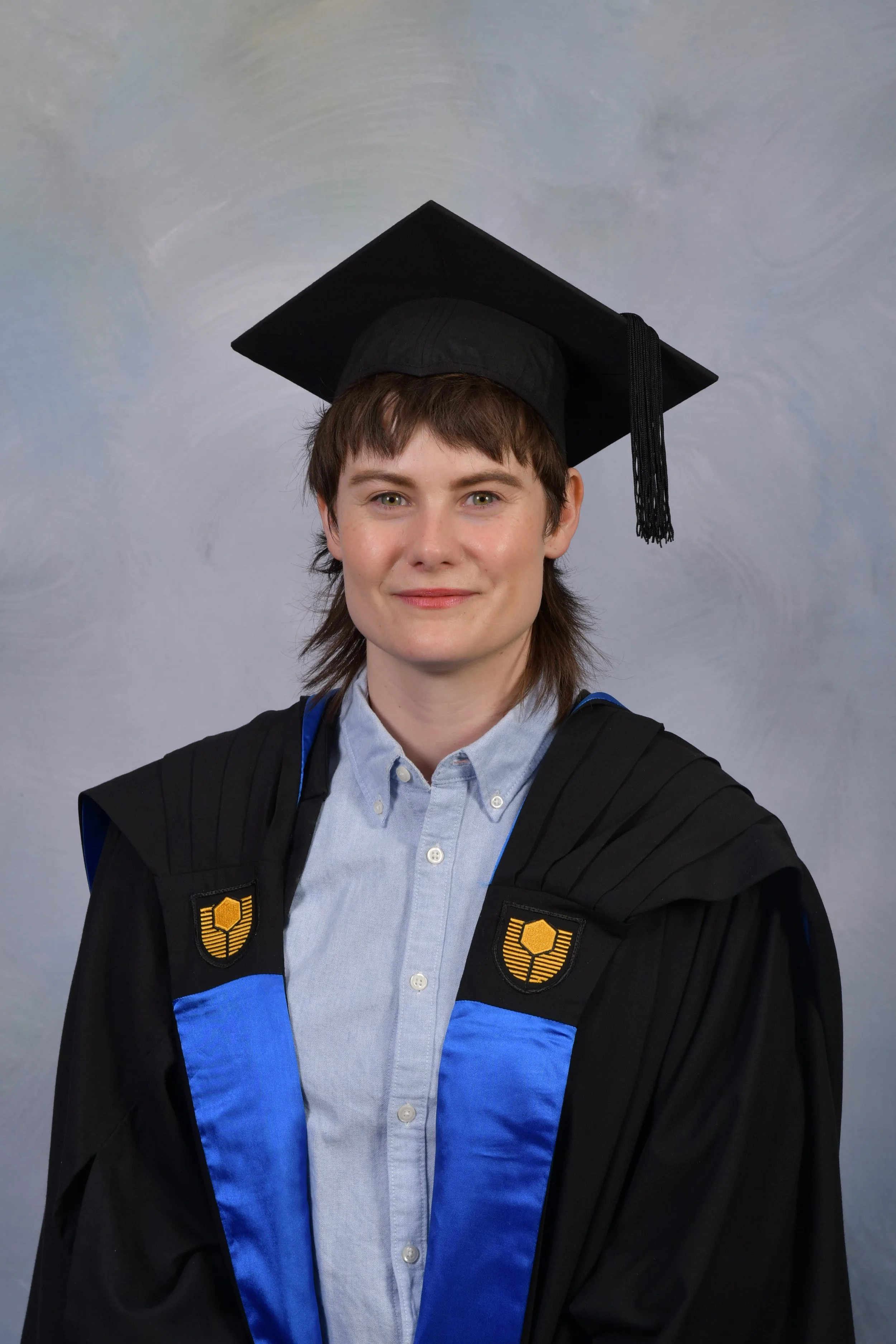
Alongside competing for the Australian Steelers, Lambird is currently studying a Master’s degree in Human Rights and Global Engagement, exploring issues of inequality, disability advocacy and social change while continuing to develop interests beyond the sporting environment.
In our Q&A as part of National Careers Week, Lambird shares how study has broadened their perspective, the strengths they carry from high-performance sport into academic life, and why building identity beyond competition remains so important.
What career areas are you exploring outside sport and what first interested you in it?
Lambird: I’m currently studying a Master’s degree in Human Rights and Global Engagement. We’re living in a time where there seems to be increasing conflict, inequality and division across the world, and I wanted to better understand the systems and forces driving that. I’ve become really interested in how communities, activists and leaders are working towards meaningful social change.
What do you enjoy most about this study, work or interest?
Lambird: What I enjoy most is the critical and reflective thinking involved. It constantly challenges me to question my own assumptions, broaden my perspective and engage with ideas and experiences that are different from my own.
What strengths or qualities do you bring to this area?
Lambird: I think adaptability has been one of my biggest strengths, both in sport and in my studies. High-performance sport teaches you to be resilient and flexible, and those same qualities help when engaging with complex ideas and different worldviews. I always want to be open to learning, reflecting and evolving my thinking.
Looking ahead, how does having this part of your life support you during your sporting journey?
Lambird: Having something meaningful outside of sport gives me balance and perspective. It allows me to explore other passions, connect with different communities and step outside the world of competition for a while. That balance has been really important for my mental health and overall wellbeing as an athlete.
What would you like to explore or develop next in this area?
Lambird: Down the track, I’m considering pursuing a PhD, potentially combining my academic interests with my passion for disability advocacy. I’m particularly interested in disability justice and disaster management, looking at how emergencies, climate events, and crises impact disabled communities, and how systems can become more inclusive and accessible in response.
National Careers Week (11 to 15 May 2026) is an opportunity to recognise that athletes are more than their sporting achievements alone. National Careers Week is an initiative of the Career Industry Council of Australia. It aims to celebrate careers, career development, career development services, and career development practitioners and promote career development’s economic, social and personal benefits.